

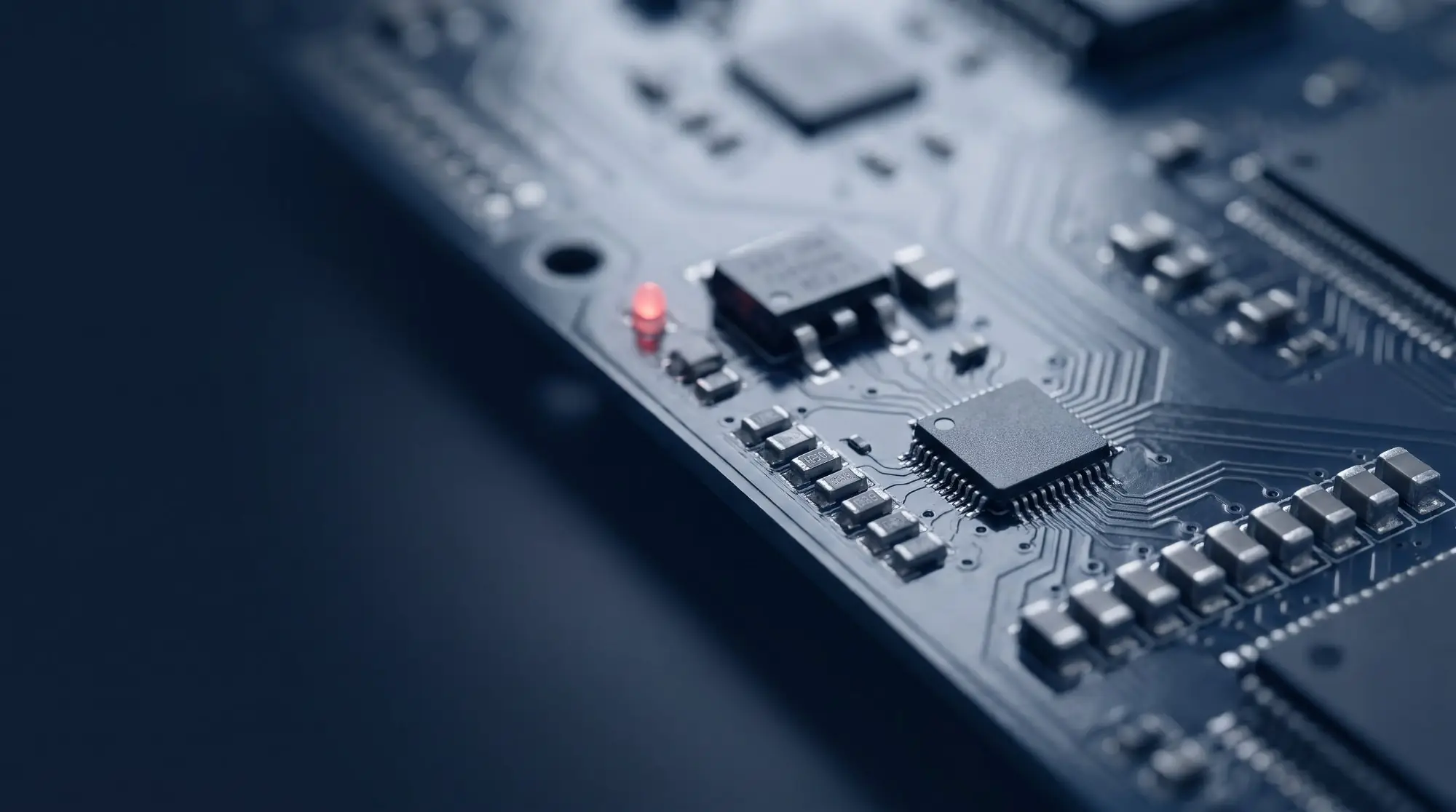
Prices for power management chips, microcontrollers and driver chips may rise again between late 2026 and early 2027, by 5% to double digits, according to Taiwanese press reports cited by TrendForce. These are not exotic AI processors. They are the parts that sit on nearly every industrial, medical, aerospace and defense board, which means the increase lands directly on 2027 budgets and quotes. If those parts are on a bill of materials you will build in the first half of next year, this quarter is the time to decide what to buy ahead.
Why are chip prices going up again?
The short answer is factory cost. Chip designers buy their manufacturing from foundries, the factories that make chips for the companies that design them, and foundry pricing is the largest piece of a chip’s cost. TSMC’s prices on mature manufacturing processes, the older technology most industrial chips use, are reportedly rising about 3% to 10% starting in January 2027. When the factory charges more, the chip designer passes it on.
Demand adds pressure. Some customers are already placing orders earlier than planned to protect their margins before the increases take effect, citing AI demand crowding out factory capacity and the conflict in the Middle East. The chip designers themselves say this early buying does not reflect a broad recovery in demand, which is a signal worth noting: when buyers pull orders forward, available stock thins out faster for everyone who waits.
Is this a short spike or something longer?
The broader data points to longer. In the Institute for Supply Management’s September survey of US factory purchasing managers, electronic components were listed as in short supply for the 19th consecutive month, and supplier deliveries slowed for the tenth month in a row.
Industry analysts expect the root cause to persist. Building AI data centers consumes components faster than manufacturers are adding capacity, and current forecasts expect that imbalance to last through at least 2028. Unlike the 2021 shortage, which came from factory shutdowns and shipping disruptions, this one is driven by demand, so it will not clear when a single bottleneck reopens. It is the same pattern behind the capacitor price increases we covered in August.
There is also a constraint further upstream. The companies that build chipmaking equipment are waiting on their own parts. Korean trade press reported in September that lead times for some equipment components have stretched from about four months to ten, and in at least one case much longer. When the equipment that adds chip capacity is delayed, the new capacity that would ease prices is delayed with it.
Which parts should buyers look at first?
Start with the categories named in the reports, then check your own history.
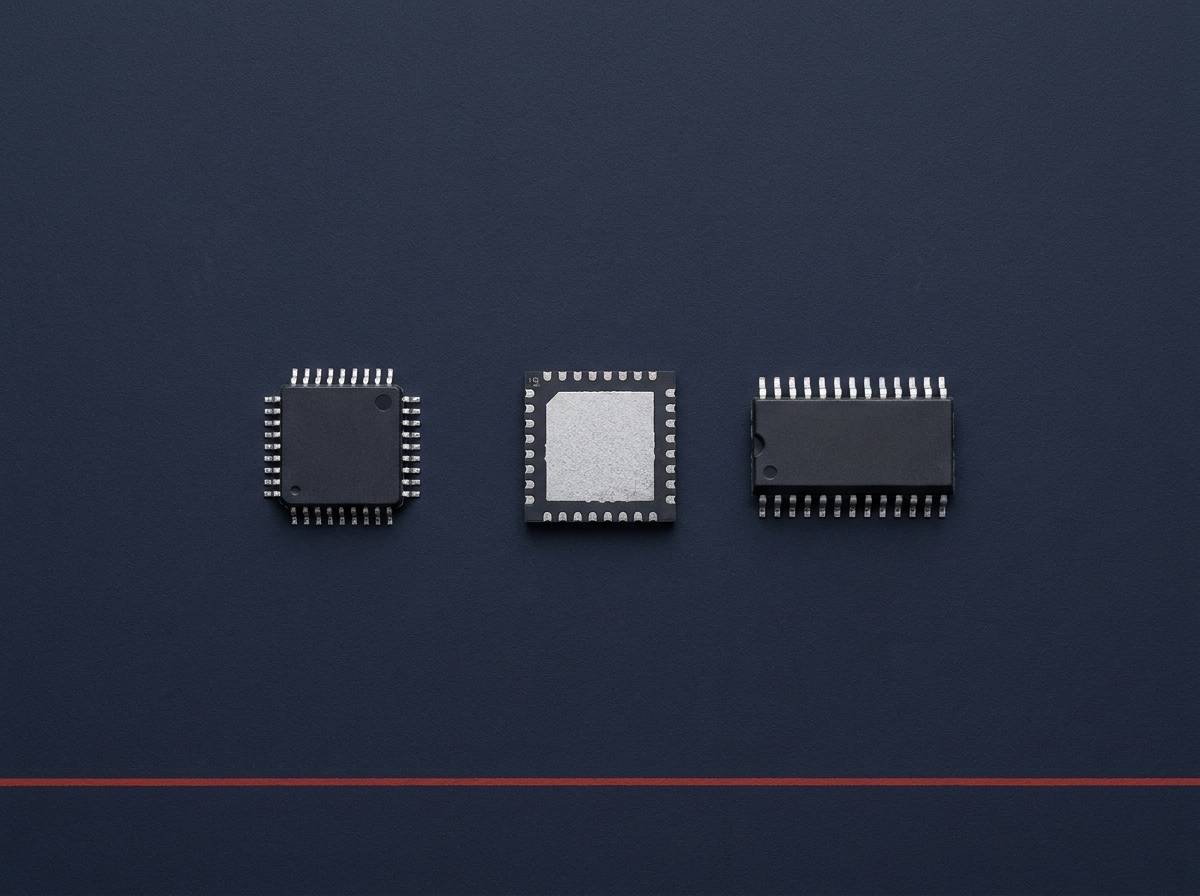
- Power management chips (PMICs): the parts that control and convert power on a board.
- Microcontrollers (MCUs): the small processors that run machines, sensors and instruments.
- Driver chips: the parts that switch motors, displays and LEDs.
On your 2027 bill of materials, flag the parts in these categories where demand is predictable and the part has no easy drop-in alternate. Those are the best candidates for buying ahead. Parts with volatile demand or several qualified alternates carry less risk if you wait.
What should buyers do this quarter?
- Ask your suppliers how long current pricing holds. A quote from last month may not survive into January.
- Decide what to buy ahead, and how much. Buying ahead makes sense for predictable demand on single-source parts. It ties up cash and storage, so match the quantity to firm forecasts rather than buying on fear.
- Qualify additional sources now, while there is time. Doing that work calmly in October is far safer than doing it the week a line is about to go down.
- Know where every part came from. This is the step that gets skipped under deadline pressure, and it matters most.
Where the counterfeit risk comes in
Scarcity on its own does not create counterfeit parts. What it changes is where buyers source and how much checking they feel they can skip. Price increases and early buying push more purchases outside the usual channels to hit a budget or a build date. Microcontrollers and power chips have long been frequent targets for counterfeiters, so these are exactly the parts where a rushed purchase from an unfamiliar source carries real risk.
That is why verification exists. At AERI, every part goes through our in-house QC lab before it ships, with inspection and testing to recognized industry standards. Our Counterfeit Detection Guide walks through what inspectors look for, from marking and surface texture to internal characteristics.
AERI was founded by Robb Hammond, a founding member and former committee chair of the SAE AS6081 Standard created for the avoidance of counterfeit electronic components. We have sourced obsolete, allocated and hard-to-find components since 1994.
Planning your 2027 buys? Send us the part numbers you are watching. We will check current availability and pricing and tell you which ones look tight.
FAQ
Are chip prices going up in 2027?
Reports cited by TrendForce in October 2026 say makers of power management chips, microcontrollers and driver chips are considering increases of 5% to double digits between late 2026 and early 2027, driven by rising foundry costs.
Why are foundry prices rising?
Higher manufacturing and electricity costs, plus AI demand taking up factory capacity. TSMC’s mature-process prices are reportedly rising about 3% to 10% from January 2027.
How long will the electronic component shortage last?
Industry forecasts expect AI data center demand to keep supply tight through at least 2028. US manufacturers have reported electronic components in short supply every month since early 2025 in the ISM survey.
Should I buy chips ahead of the price increase?
For parts with predictable demand and no easy alternate, buying ahead this quarter can lock in current pricing and availability. For parts with volatile demand or multiple qualified sources, the cost of holding inventory may outweigh the savings.
How do I avoid counterfeit parts when buying outside my usual channel?
Buy from suppliers that inspect and test parts before shipping, ask for documentation of where the parts came from, and be most careful with commonly counterfeited categories such as microcontrollers and power chips.

Robb Hammond is the founder and CEO of AERI, an independent electronic component distributor operating since 1994. He is a founding member and former committee chair of SAE AS6081, the counterfeit-avoidance standard for independent distributors adopted by the U.S. Department of Defense, and a recognized authority on counterfeit detection.
