
The short version: The AI memory boom is reallocating chip-making capacity toward high-bandwidth memory for AI servers, which drains general-purpose memory and keeps many components hard to source for medical, aerospace, military, and industrial programs. When buyers cannot get parts through authorized channels, they turn to the open market, and the open market during a shortage is where counterfeit electronic components enter the supply chain. The risk is greater in 2026 because AI demand keeps pulling capacity away and the shortage shows no clear end. You reduce it by sourcing only through a qualified independent distributor that tests parts in its own lab.
Why component supply got so tight in 2026
The cause of this squeeze is not a pandemic or a natural disaster. It is artificial intelligence.
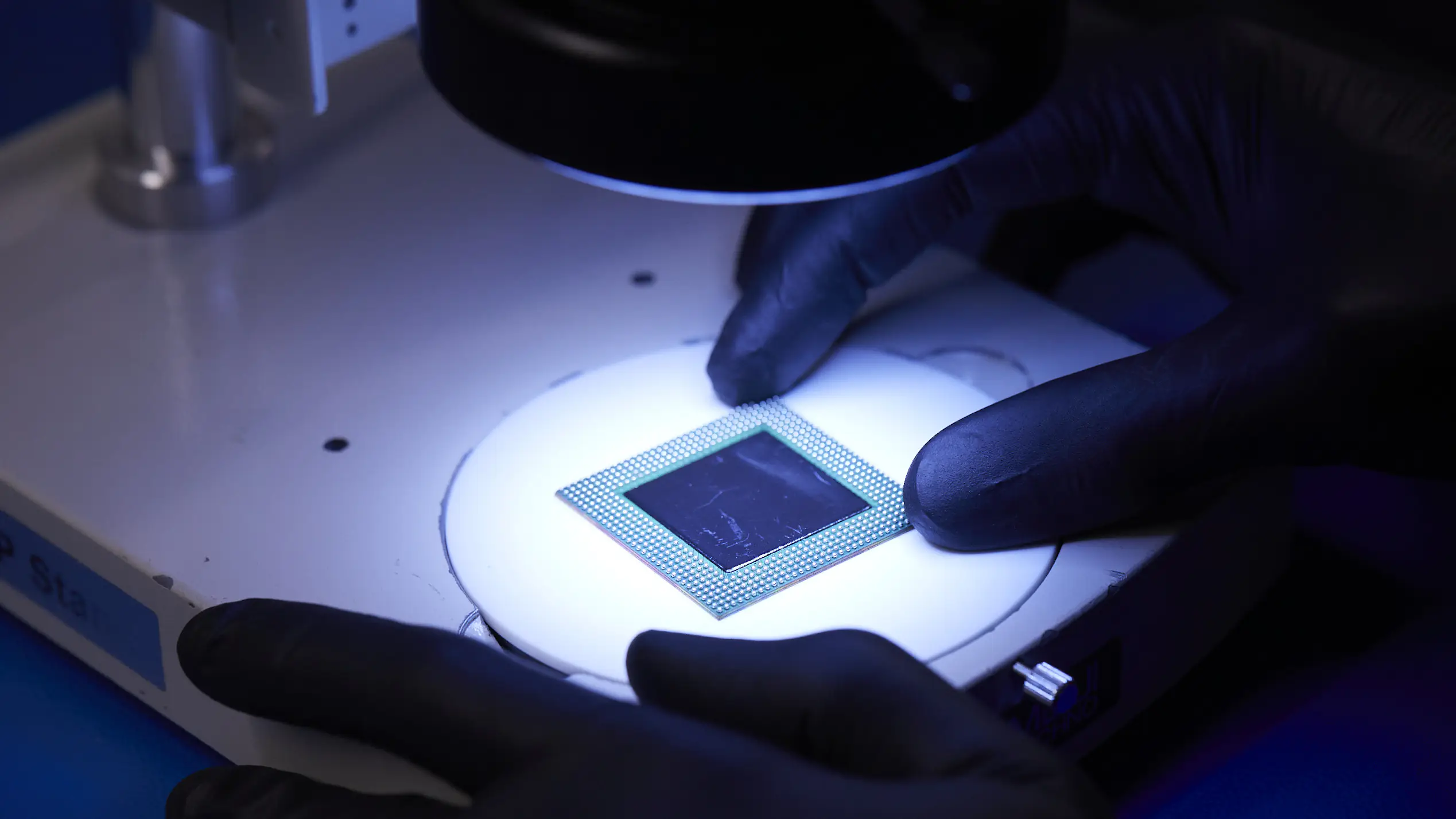
Manufacturers are reallocating memory production toward high-bandwidth memory, or HBM, for AI servers. A single gigabyte of HBM consumes about four times the wafer capacity of standard DRAM, and once that multiplier is counted, AI demand is projected to consume nearly 20 percent of global DRAM supply in 2026, according to TrendForce. The three leading memory makers, Samsung, SK Hynix, and Micron, have moved their main lines to allocation-only contracts that favor large AI and hyperscale buyers, and memory prices have risen 80 to 90 percent since late 2025. The strain reaches beyond memory. Supply disruptions in the discrete market have kept lead times elevated for parts like MOSFETs and protection devices. For programs in medical, aerospace, military, and industrial equipment, parts that used to be routine can now take months to secure.
Long lead times are not just a scheduling headache. They are the pressure that pushes buyers somewhere they would rather not go.
When authorized channels run dry, the open market fills the gap
When a procurement team cannot find a part through authorized distribution, they turn to the open market. That is not a failure of judgment. It is the reality of keeping a production line running when the alternative is a line-down situation.
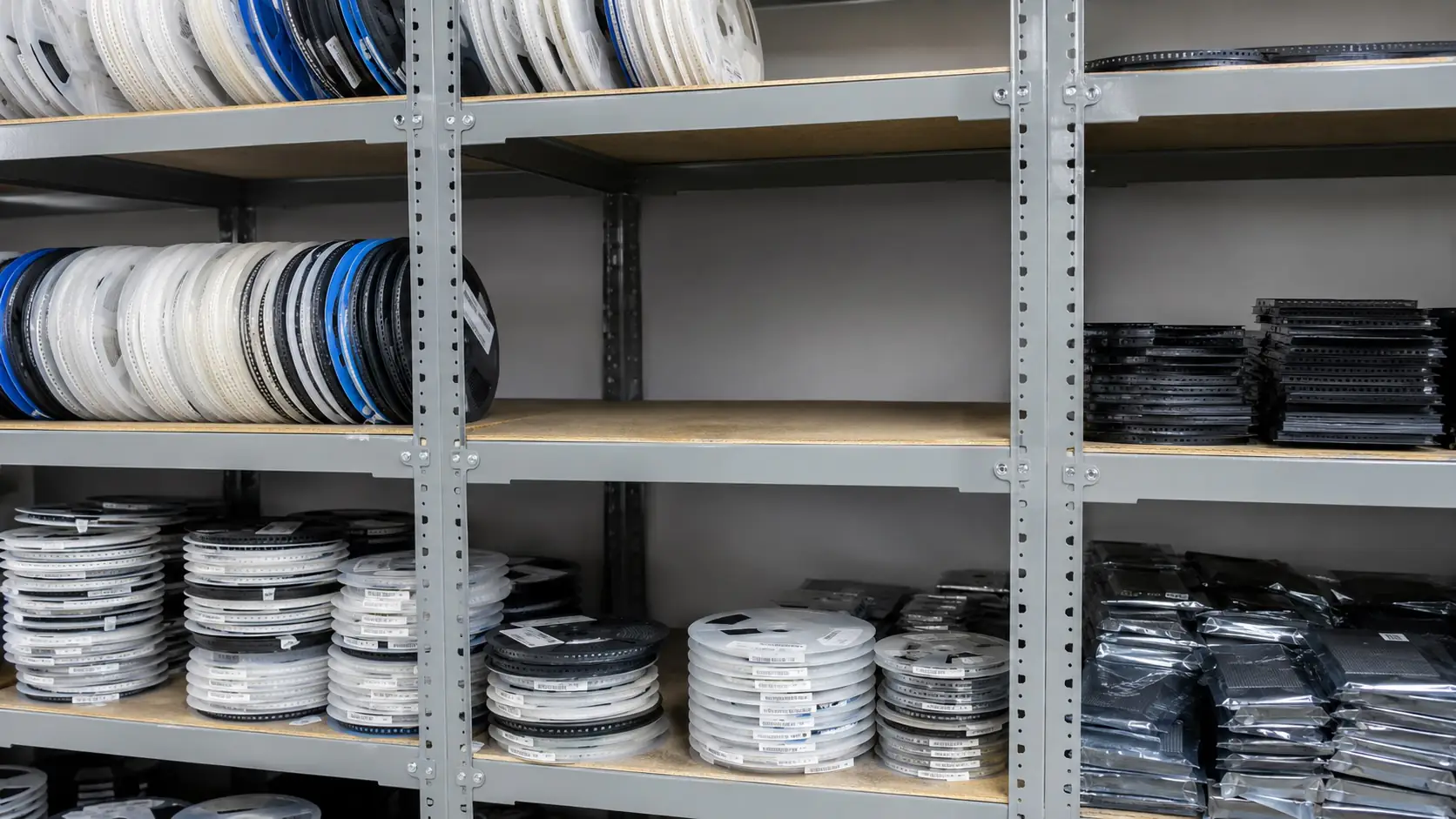
The problem is what the open market hands you when no one is checking. Shortage cycles are exactly when counterfeits multiply, because unvetted brokers rush to fill the gap with whatever they can find: parts harvested from scrap boards, date codes remarked to look current, refurbished parts sold as new, and parts that failed the original manufacturer’s testing, then snuck out the back door by unscrupulous employees and routed back into circulation
The entry point is almost always the same. A purchasing decision made under schedule pressure, without a qualified independent distributor in between.
What one counterfeit part actually costs
Here is the part most buyers do not weigh when they are racing to close a purchase order.
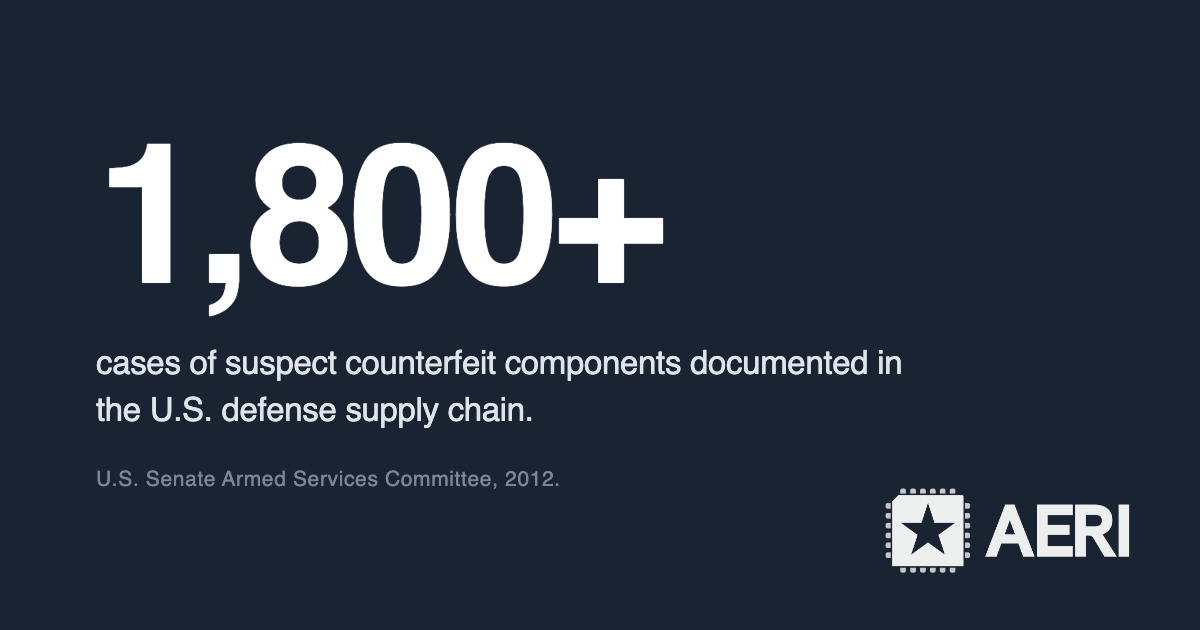
A two-year U.S. Senate Armed Services Committee investigation documented roughly 1,800 cases of suspect counterfeit electronic parts in the defense supply chain, involving more than one million individual components. That was in 2012, two shortage cycles before today’s AI-driven squeeze.
The cost of a single counterfeit slipping through is almost never just the price of the part. Across the industry, it tends to look like some combination of:
- A field failure that scrubs a launch window
- A recall that runs into seven figures
- A corrective-action audit that exposes process gaps you did not know you had
- A damaged relationship with a prime contractor
- On the defense side, a non-conformance report that can end a contract
One component. One purchase order. That is all it takes.
Why this cycle is different, and the part most buyers miss
Previous shortage cycles had an end point that was somewhat predictable. This one does not. AI infrastructure demand shows no sign of slowing, and silicon capacity does not redirect overnight.
There is a second pressure most buyers never see. Many distributors handle basic visual inspection in-house and send parts out to a third-party test house when something looks off. That adds at least a week per lot, sometimes more, because your parts sit in an outside queue and then ship back before anyone can clear them. During shortage cycles like this one, external labs back up and that wait stretches further, and you do not control it. It also creates a quiet incentive to skip testing and move fast. That is exactly when bad parts get through.
How to protect your production line right now
The good news is that counterfeit risk is manageable. It takes a system, not just good intentions.
It starts inside your own quality system: receiving inspection that verifies what is inside the bag against what was promised, a documented chain of custody for every lot, and an approved vendor list built on real qualification criteria rather than familiar names.
When a shortage forces you to the open market, it takes a qualified independent distributor. The right one is AS6081 compliant, tests to AS6171-aligned methods matched to your application’s risk level, staffs IDEA-ICE-3000 certified inspectors, and hands you an evidence-grade testing report you can produce in an audit. A distributor with its own in-house lab can complete baseline testing in days rather than the weeks an external queue now adds.
This is not theory for us. AERI’s founder, Robb Hammond, is a founding member and former committee chair of the SAE AS6081 standard, the body that wrote the international standard for how independent distributors qualify suppliers and test for counterfeit risk. He has run AERI since 1994 and has served on the committee through the transition now moving testing methodology from AS6081 into AS6171.
The full framework, including how to qualify a distributor, what the standards cover, and exactly what an evidence-grade testing report should contain, is in one place.
Read the complete Counterfeit Prevention Guide from AERI founder Robb Hammond →
Frequently asked questions
Does the AI chip shortage increase counterfeit risk?
Yes. AI demand is draining general-purpose memory and keeping many components hard to source, which pushes buyers to the open market when authorized channels run dry. The open market during a shortage is the primary entry point for counterfeit electronic parts.
Why are electronic component lead times so long in 2026?
Component manufacturers are prioritizing high-bandwidth memory for AI servers. Counting HBM’s wafer multiplier, AI demand is projected to consume nearly 20 percent of global DRAM supply in 2026, and the major memory makers have shifted to allocation-only contracts that favor large AI buyers. Discrete parts like MOSFETs and protection devices have also seen elevated lead times.
How do counterfeit parts get into the supply chain?
Almost always through the open market during shortages, when unvetted brokers fill the gap with harvested e-waste, remarked date codes, and refurbished parts sold as new. The entry point is usually a purchase made under schedule pressure without a qualified independent distributor in between.
How can I protect my production line right now?
Harden your own receiving inspection and chain of custody, and source open-market parts only through an AS6081-certified independent distributor that tests in-house to AS6171-aligned methods and provides an evidence-grade report.
Can’t find the part? We can.
AERI sources hard-to-find and obsolete components and tests every lot for authenticity before it ships. Send your list for a fast quote.

Robb Hammond is the founder and CEO of AERI, an independent electronic component distributor operating since 1994. He is a founding member and former committee chair of SAE AS6081, the counterfeit-avoidance standard for independent distributors adopted by the U.S. Department of Defense, and a recognized authority on counterfeit detection.
